How to stay safe when driving during a bushfire

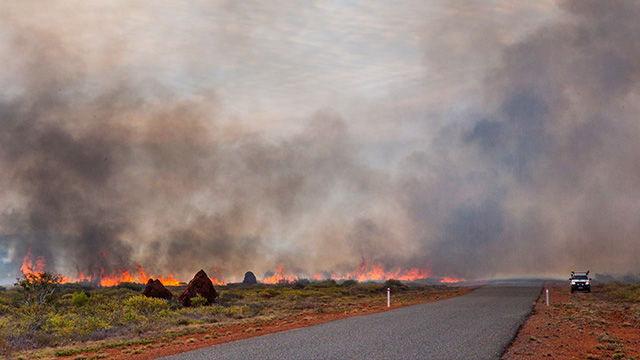
Bushfire conditions can change quickly, so it’s important to know the risks before getting behind the wheel.
First things first: before heading out during bushfire season, check your state or territory’s emergency warnings and the Australian Fire Danger Rating System. In NSW, motorists can use the Hazards Near Me NSW app for information about bushfires and other emergencies.
If you encounter smoke across the road, pull over and assess the situation before driving through it. Most importantly, if there are flames, don’t attempt to drive through them.
If you are caught in a bushfire in your vehicle – no matter whether it has a combustion engine, or is a hybrid, or a battery electric vehicle (EV) – it’s better to be inside the vehicle than on foot, according to the NSW Rural Fire Service (RFS).
“It’s the positioning of the vehicle that gives it the best chance of surviving – the worst place is on foot, the second worst place is in a vehicle,” a spokesperson for the RFS tells Open Road.
“You want the vehicle to face the fire to give you the most distance between you and the fire front and to reduce the radiant heat.”
According to the NSW government’s Hazard Reduction Roundtable, there is a “high potential for a challenging summer” in 2026-2027, with above-average temperatures and below-average rainfall expected due to predicted El Nino weather patterns.
Ultimately, being prepared, staying aware of your surroundings, and keeping a level head in an emergency are the best ways to ensure you stay safe around bushfires this summer.
Here’s what to do before you head off during bushfire season, and what to do if you find yourself driving during a bushfire.

Before driving during bushfire season
Before starting your journey:
- In NSW, download the Hazards Near Me NSW app (iOS/Android) for live bushfire and other emergency alerts. Setup Watch Zones for your route and destination.
- Check the Fire Danger Rating for the areas you will be travelling through using the Australian Fire Danger Rating System. On Extreme or Catastrophic days, plan to leave bushfire-risk areas early and reconsider whether you need to travel. Aim to avoid travelling on Total Fire Ban days.
- Check for road closures using Live Traffic NSW and adjust your route if necessary.
- Do not rely on one information source, as mobile coverage can be unreliable in remote areas. Check NSW RFS online updates or call the Bush Fire Information Line on 1800 679 737.
- Tell someone where you're going. Let them know your planned route and expected arrival time.
- Prepare your vehicle. Start with enough fuel or battery charge for your journey, allowing for unexpected delays or diversions.
- Charge your phone before leaving and take a charging cable or power bank if available.
- Pack an emergency kit including water, a battery-powered AM/FM radio, woollen blankets, protective clothing (long sleeves, pants, sturdy shoes), a paper map and a first aid kit. A two-way CB radio is also a good idea.
What to do if you see smoke or fire while driving
Smoke can dramatically reduce visibility and conditions may deteriorate quickly.
If you encounter smoke or a fire while driving:
- Do not continue into an affected area if you cannot see that the road ahead is safe
- Never drive through flames
- Never drive past a road closure or ignore directions from police, the RFS or other emergency services
- Turn on your headlights when visibility is reduced by smoke
- Find a safe place to stop or turn around if conditions ahead are deteriorating and it is safe to do so
- Check official warnings and road closures before choosing an alternative route
- Monitor conditions throughout your journey using emergency warnings, radio, weather information and Live Traffic NSW.
Avoid areas where bushfires or hazard-reduction burns are active. Driving through a bushfire-affected area should only be considered as a last resort or when instructed by emergency services.
What to do if you're caught in a bushfire in your car
Driving during a bushfire is extremely dangerous. The best strategy is to avoid being caught in one by leaving early or changing your journey.
However, if you cannot avoid the fire and it is no longer safe to continue driving:
- Pull over in a clear area off the roadway, as far away from trees, scrub, tall grass and other vegetation.
- Position the front of the vehicle towards the approaching fire to maximise the distance between the vehicle occupants and the fire front.
- Close all windows and air vents.
- Turn off the engine and switch on your headlights and hazard lights.
- Get everyone below window level and cover exposed skin with with woollen blankets to help protect against radiant heat.
- Drink water and cover your mouth with a damp cloth.
- Stay inside until the fire front passes.
- Wait until conditions are safe before getting out. Take care when leaving the vehicle because exterior surfaces may remain dangerously hot.

What to do if powerlines fall on or near your car
- Expect powerlines to sag with the heat during bushfires. Stay at least eight metres clear of fallen or sagging powerlines and call Triple Zero 000.
- If a powerline is on your vehicle, stay inside and call Triple Zero 000.
- If fire forces you to leave, jump well clear, do not touch the vehicle and ground at the same time. Land with feet together and shuffle or jump with feet together until at least eight metres away.
Bushfire alerts and emergency resources
Having reliable sources of information ready before your journey can help you respond quickly if conditions change
Hazards Near Me NSW
The Hazards Near Me NSW app provides information about bushfires and other emergencies in NSW. Set up Watch Zones for places that matter to you, including your destination.
NSW Rural Fire Service
Check NSW RFS major fire updates for current fire information. You can also call the Bush Fire Information Line on 1800 679 737. This resource and number are included in the underlying Stay safe in your car in a bushfire content.
Australian Fire Danger Rating System
Check the Australian Fire Danger Rating System before travelling through bushfire-prone areas.
The four Fire Danger Rating levels are:
- Moderate
- High
- Extreme
- Catastrophic
Higher ratings mean more dangerous fire conditions and greater potential consequences if a fire starts.
Live Traffic NSW
Check Live Traffic NSW before leaving and throughout your journey for road closures and incidents that could affect your route.
Emergency Plus
The Emergency Plus app uses your smartphone's location capabilities to help you provide your location when contacting Triple Zero (000).
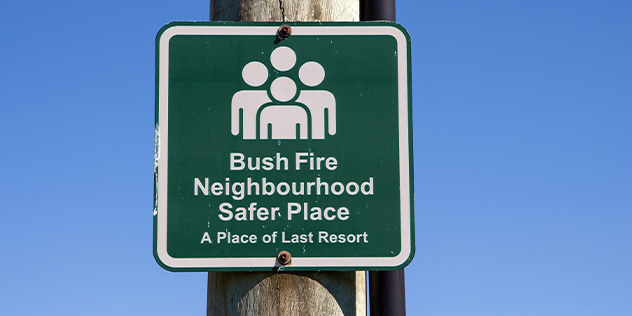
Neighbourhood Safer Places
If you're staying in or travelling through a bushfire-prone area, identify nearby Neighbourhood Safer Places before an emergency occurs. These are places of last resort when a Bush Fire Survival Plan cannot be implemented.